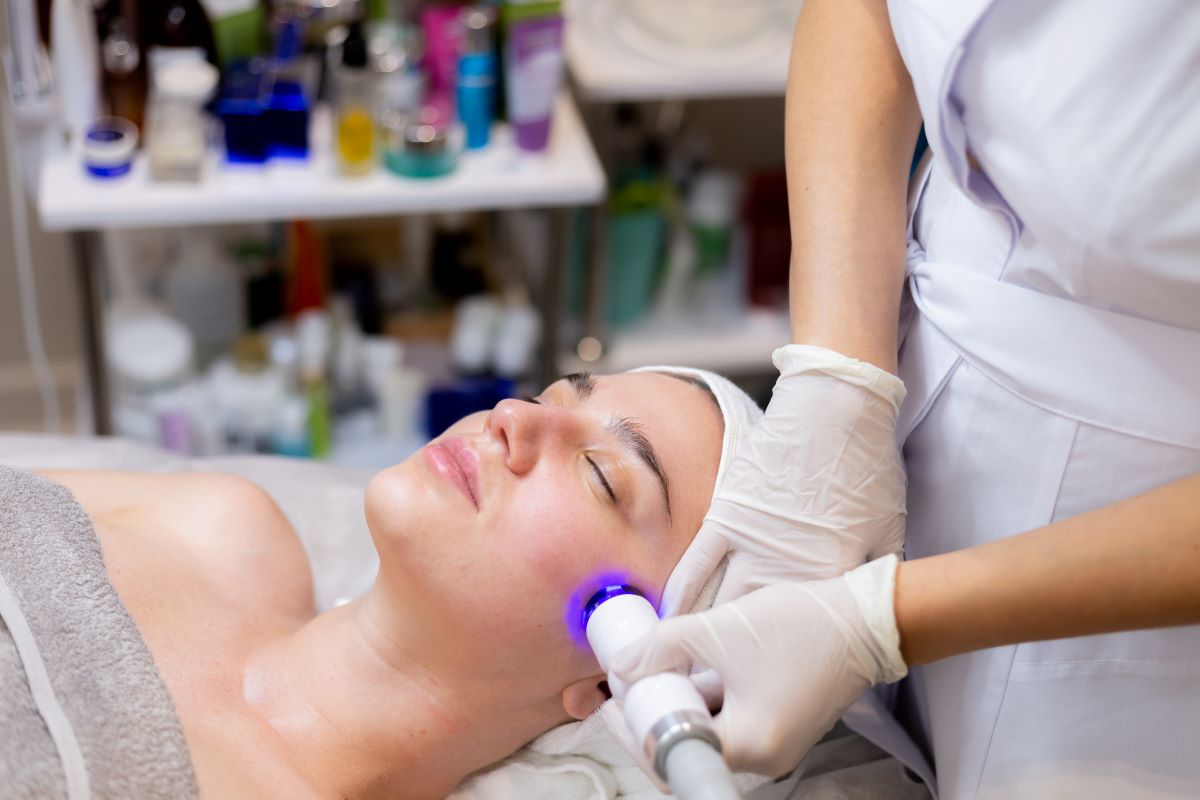
Sun exposure, ageing, and some skin conditions can change how your skin looks. Dark spots, redness, uneven skin tone, and small visible blood vessels may become more noticeable over time. Intense pulsed light therapy in Bridgeland is a non-surgical treatment that uses short pulses of light to target certain skin concerns. Unlike a laser, IPL uses different wavelengths of light to target specific areas of the skin.
IPL may help reduce some dark spots, redness, and other colour changes, making the skin look more even. A skin assessment is important before treatment because IPL may not be suitable for every skin type or concern.
What Is IPL?
IPL stands for intense pulsed light. It uses short bursts of light that are directed at specific areas of the skin.
The light is absorbed by colour in the skin, such as pigment in dark spots or blood in small visible vessels. This creates controlled heat that can break down or reduce the appearance of the targeted area.
IPL is commonly used for concerns such as:
- Sun spots and areas of excess pigment
- Uneven skin tone
- Certain types of facial redness
- Small visible blood vessels
- Some signs of sun-related skin changes
The exact results may vary depending on the skin concern, treatment area, skin type, and the number of recommended sessions.
How Does IPL Treat Skin Damage?
IPL does not remove the entire outer layer of skin. Instead, the light targets colour within the skin. The treated pigment or blood vessel absorbs the light and is gradually cleared or reduced by the body.
For example, a sun spot may temporarily darken after treatment before fading. Redness caused by small visible blood vessels may also become less noticeable over time.
The treatment is designed to target specific concerns without making broad changes to the surrounding skin.
What Skin Concerns Can IPL Help Improve?
Intense pulsed light therapy in Bridgeland may be considered for several common appearance-related skin concerns.
It may help improve the appearance of:
- Brown spots caused by sun exposure
- Uneven skin colour
- Freckles in some cases
- Mild facial redness
- Small visible blood vessels
- Some signs of photoageing
IPL does not treat every type of scar, wrinkle, rash, or skin condition. A skin assessment can help determine whether the concern is appropriate for IPL or whether another treatment may be more suitable.
What Happens During an IPL Treatment?
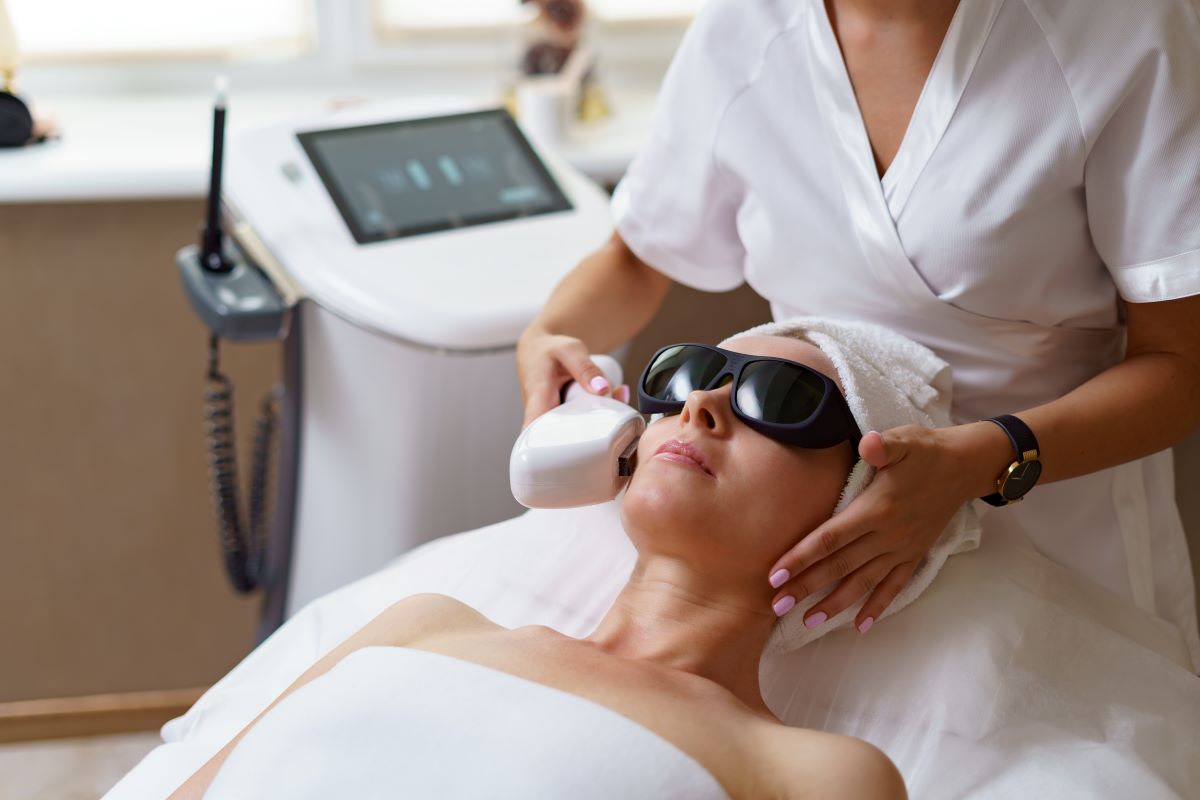
The treatment area is cleaned before the light device is used. Protective eyewear is provided to help protect the eyes from the bright flashes.
A cooling method or gel may be used, depending on the device and treatment area. Short pulses of light are then applied to the skin.
During treatment, a warm snapping or rubber-band-like feeling may be noticed. The skin may look slightly red afterward, and some treated dark spots may temporarily darken.
After the session, the skin should be protected from unnecessary sun exposure and cared for according to the recommended aftercare instructions.
How Many IPL Treatments Are Needed?
The number of sessions depends on the skin concern and the response to treatment. Some concerns may show improvement after one session, while several sessions may be recommended for a more noticeable change.
A treatment plan may depend on:
- The type of pigmentation or redness
- The size of the treatment area
- Skin tone and sensitivity
- Previous sun exposure
- How the skin responds after each session
Results are not usually instant. Changes may become more noticeable as the treated pigment or vessels are gradually reduced.
Is IPL Suitable for Everyone?
Not necessarily. Skin colour, recent sun exposure, medications, and the type of skin concern can all affect whether IPL is appropriate.
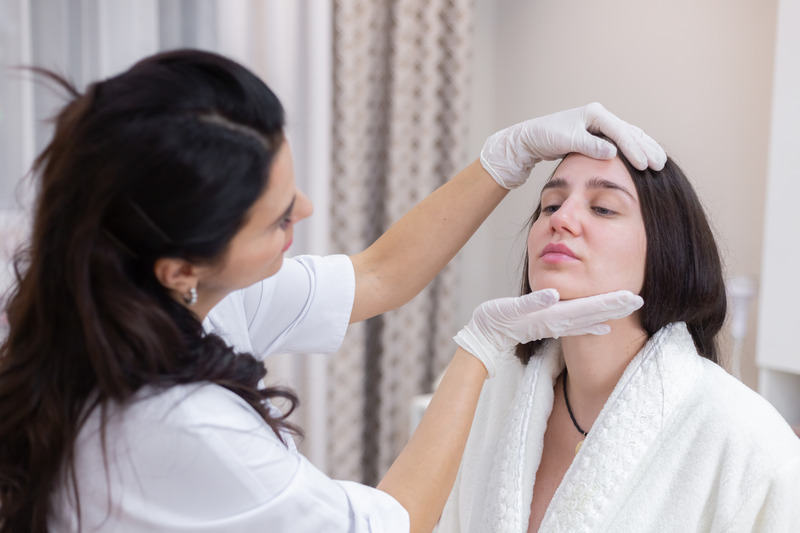
A consultation at a med spa in Bridgeland can help assess skin condition and identify potential risks before treatment.
IPL may need to be delayed or avoided in certain situations. For example, recently tanned skin may have a higher risk of unwanted colour changes after treatment. Some medications and skin conditions may also affect treatment suitability.
A proper assessment is therefore more important than choosing a treatment based only on the appearance of a spot or area of redness.
What Should Be Done Before and After IPL?
Good preparation and aftercare can help reduce avoidable skin irritation.
Before treatment
- Follow the recommended sun-protection instructions.
- Avoid tanning before treatment.
- Tell the provider about medications and skin products being used.
- Follow any instructions about stopping specific products before treatment.
After treatment
- Protect the treated skin from direct sun exposure.
- Use sunscreen as recommended.
- Avoid picking or scratching treated areas.
- Follow the recommended skin-care routine.
- Report unusual or worsening skin reactions to the treatment provider.
A simple aftercare routine can help the skin recover while reducing unnecessary irritation.
How Do You Choose the Right IPL Provider?
When looking for intense pulsed light therapy near you, consider more than the treatment price.
Look for a provider that:
- Performs a proper skin assessment before treatment.
- Explains realistic results and possible side effects.
- Uses suitable equipment for the treatment being offered.
- Provides clear preparation and aftercare instructions.
- Takes skin type and individual concerns into account.
A treatment plan should be based on the condition of the skin rather than a one-size-fits-all approach.
Protect Your Skin With the Right Treatment Approach!
IPL may help improve certain signs of sun exposure, such as uneven colour, redness, and visible vessels, when the treatment is appropriate. A careful assessment can help determine whether IPL is suitable and what results may reasonably be expected.
Book a consultation with Oasis Laser Skin Clinic to have your skin concerns assessed, discuss your treatment options, and learn whether IPL may be a suitable approach for your skin.
FAQs
Does IPL hurt?
IPL may feel warm, like a quick snap or sting. How it feels can depend on the area being treated and your skin sensitivity.
Can IPL remove dark spots permanently?
IPL can make some dark spots less visible, but new spots may appear with future sun exposure. Results may not last forever.
How long does skin redness last after IPL?
Mild redness is common after IPL and usually fades as your skin heals. Recovery time can vary from person to person.
Can IPL be used on sensitive skin?
Sensitive skin does not always prevent IPL treatment. Your provider should first assess your skin, products, medications, and treatment needs.